A Palette of Possibilities
Choosing colours and materials that work together.
Start with what will stay
A useful colour scheme begins with the room itself. Look at the flooring, wall finish, daylight and furniture you intend to keep. These features are your starting point, not a problem to hide. Photograph the room in daylight and in the evening so you can see how its colours change.
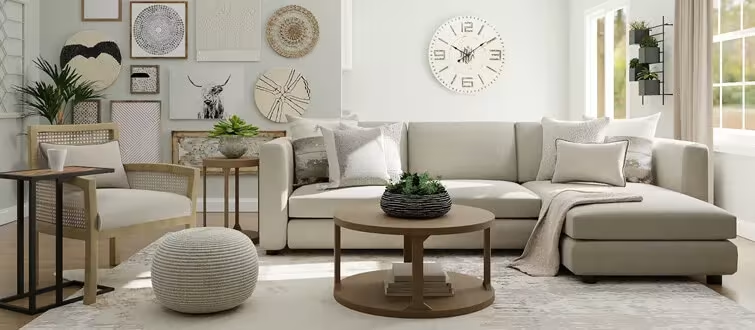
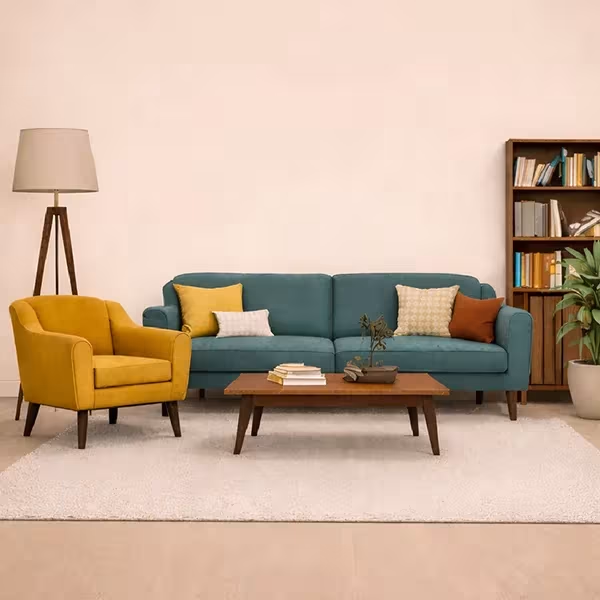
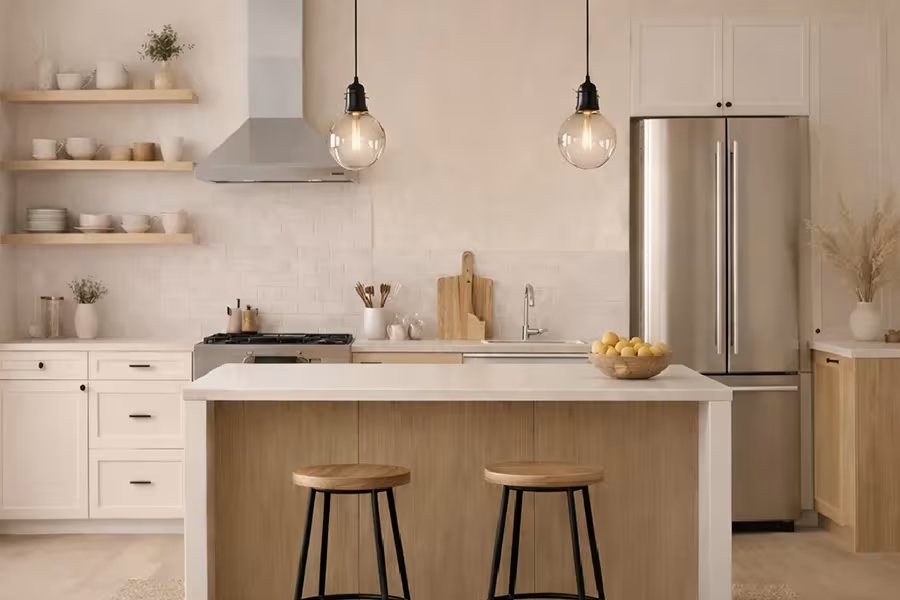
Choose a main neutral, a supporting tone and an accent you enjoy. This is a starting framework rather than a rule. The aim is to make decisions easier while leaving room for personal pieces and the way you use the space.
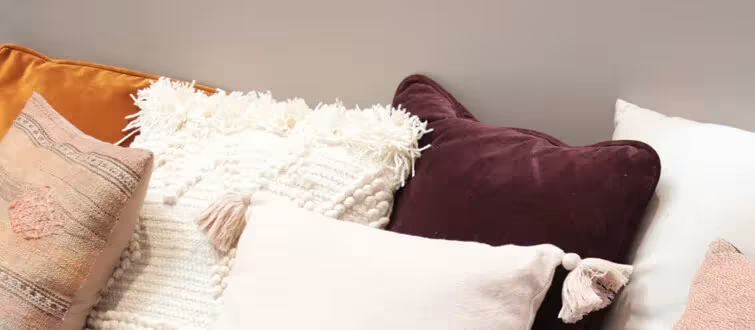
Use texture to create depth
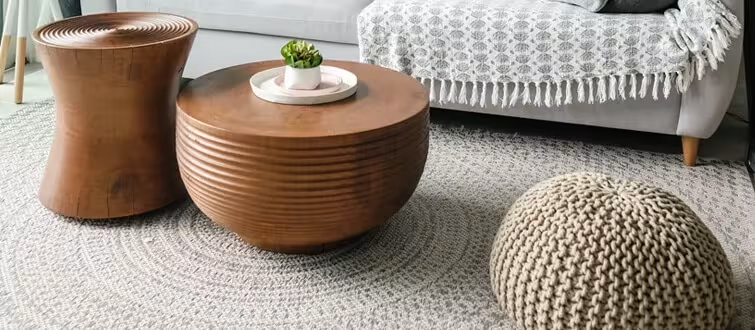
A neutral room can still feel rich when its textures vary. Smooth timber, a woven rug and softly textured upholstery each catch light differently. Balance them with simpler surfaces so the room feels considered rather than busy.
Ask for samples where available. A small screen image does not show the feel of a fabric or the exact colour of a finish. View samples against your floor and walls before committing to a large sofa, curtains or custom furniture.
Balance colour with the size of a piece
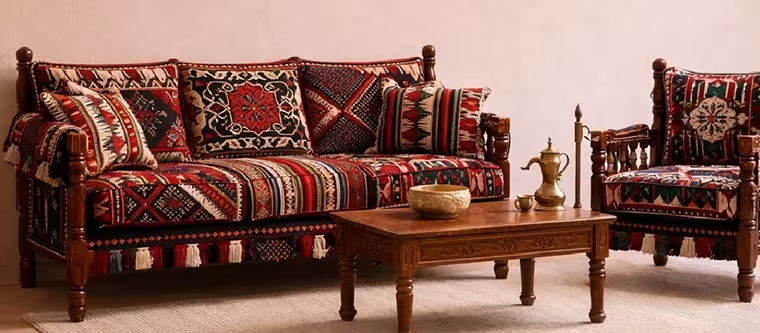
A colour on a cushion has a different effect from the same colour on a large sofa. Think about how much of the room each material will occupy. If you are unsure about a strong accent, introduce it through a smaller piece before making it the main feature.
Repeat a colour or finish in a few places to connect the scheme. Matching every item exactly is not necessary. Similar warmth, proportion and texture can be enough to make different pieces feel comfortable together.
Make the scheme practical
Your palette should also suit daily use. Discuss cleaning requirements, exposure to direct sunlight and whether children, pets or frequent visitors will use the space. Confirm the manufacturer’s guidance for each selected material rather than relying on generic claims about stain resistance.
For an office or hospitality space, tell the team how frequently the furniture will be used. Requirements for a quiet bedroom can differ from those for a busy reception area.
Turn references into a clear brief
Save a few images and explain what you like in each one: the colour, the layout, the texture or the mood. Include room measurements and photographs. A concise brief helps distinguish your preferences from features that do not fit your space.
Explore our furniture collection or discuss an interior design enquiry with the team. Materials, finish options, availability and pricing are confirmed for the specific pieces you select.
Your planning checklist
- Review existing floors, walls and pieces.
- Compare samples in your own lighting.
- Balance strong colours with quieter finishes.
- Confirm care requirements before choosing.
Explore our furniture collection or interior design and decor services. For tailored options, send your requirements to our team.
Make the ideas work for your space.
Share photographs, measurements and the furniture or interior details you have in mind. We’ll discuss suitable options and confirm your quotation.
Discuss your requirements →A few useful answers.
Do all timber finishes need to match?
No. Different finishes can work together when their tones and proportions are balanced. Compare samples in the room.
How can I add colour without replacing my sofa?
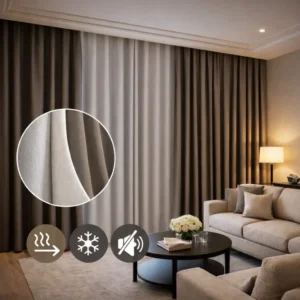
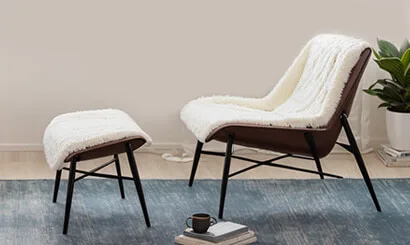
Consider cushions, a rug, curtains or an accent chair, choosing items that connect with the colours already present.
Can I request help choosing finishes?
Share photographs and references through the enquiry form. Available materials and finish options can be discussed for your project.